

The world of construction is full of rules, certifications, and hidden challenges that often decide who wins major projects. One of the least discussed yet highly valuable qualifications is SOA OS23, a certification rooted in Italy but gaining global importance. This qualification for demolition of works proves that companies have the right technical capabilities for public works, allowing them to handle complex tasks like structural dismantling and industrial plant demolition. Although linked to the Italian Presidential Decree 207/2010, its impact reaches far beyond Europe. For U.S. firms exploring international opportunities, understanding SOA OS23 could be the difference between securing contracts and missing them.
For companies in the USA, knowing about SOA OS23 means staying competitive. It is linked to Annex A regulations and ensures technical capabilities for public works. Let’s uncover seven surprising secrets about SOA OS23 that could change the way firms bid and work.
What is SOA OS23?
The SOA OS23 certification is part of the SOA certification framework in Italy. It covers the demolition of works and ensures that businesses have both financial and technical ability. While it grew under public works tenders in Italy, its impact spreads across markets.
The Italian Public Procurement Code sets the base for SOA rules. OS23 focuses on controlled demolition methods like hydraulic cutting, diamond sawing, and explosives demolition. Companies with OS23 are trusted for projects involving structural dismantling, industrial plant demolition, and reinforced concrete removal.
Key Features and Technical Aspects of SOA OS23
This certification demands proof of strength. Firms must pass audit of equipment and staff and show they meet certification standards and compliance. Only then are they allowed to take part in tenders.
Another core detail is annual compliance monitoring. Without this, the certification process and renewal becomes harder. These rules ensure that sustainable demolition methods and material separation and recycling are not ignored in practice.
The Role of SOA OS23 in Public Tenders and Certifications
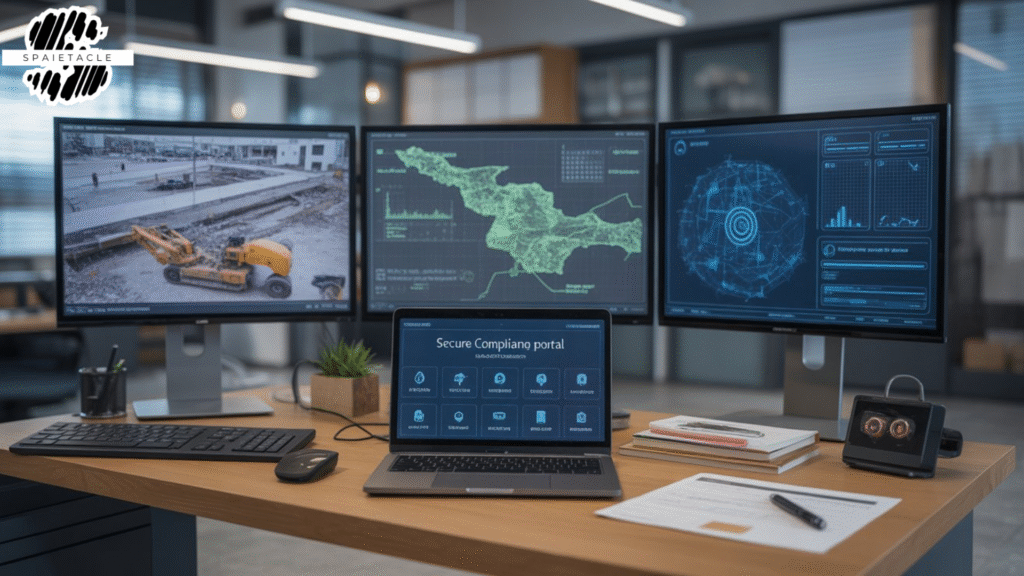
In Italy, the Public Sector Purchase Programme requires firms to have proper SOA certificates. Although OS23 certification categories are not always mandatory, projects often prefer bidders who have them. This gives an edge in contracts.
Consider how OS23 fits with OG1 (civil and industrial buildings), OG3 (road and bridge construction), and OS21 (special structural works). Together, these show how wide the SOA certification framework really is. A company with OS23 stands out as more credible and skilled.
Advantages and Real-World Applications of SOA OS23
Having the SOA OS23 certification opens global opportunities. Firms can win bigger tenders and gain trust by proving their ability. For USA companies aiming to join public works tenders in Italy, this qualification creates a clear advantage.
In practice, OS23 is seen in projects using eco-friendly demolition practices and circular construction practices. By including waste recycling in construction, firms not only stay compliant but also improve sustainability.
Challenges in Obtaining and Maintaining SOA OS23
Gaining the SOA OS23 certification is not simple. Challenges in certification include managing heavy paperwork, upgrading machines, and keeping up with certification standards and compliance. Missing a detail can delay the certification process and renewal.
Companies also face inspection issues. Authorities check safety through audit of equipment and staff. To keep status, firms must pass annual compliance monitoring. Without this, renewal becomes a serious risk.
Digital Transformation and SOA OS23
Today, technology is reshaping SOA OS23. Digital tools like BIM (Building Information Modelling) and GIS (Geographic Information Systems) now support compliance. They help track digital architecture in public works and reduce errors.
Even more, AI and automation in demolition improve workflows. From predictive maintenance with AI to online compliance portals and digital credentialing for SOA, the process is faster, safer, and cheaper.
Security and Risk Factors in SOA OS23
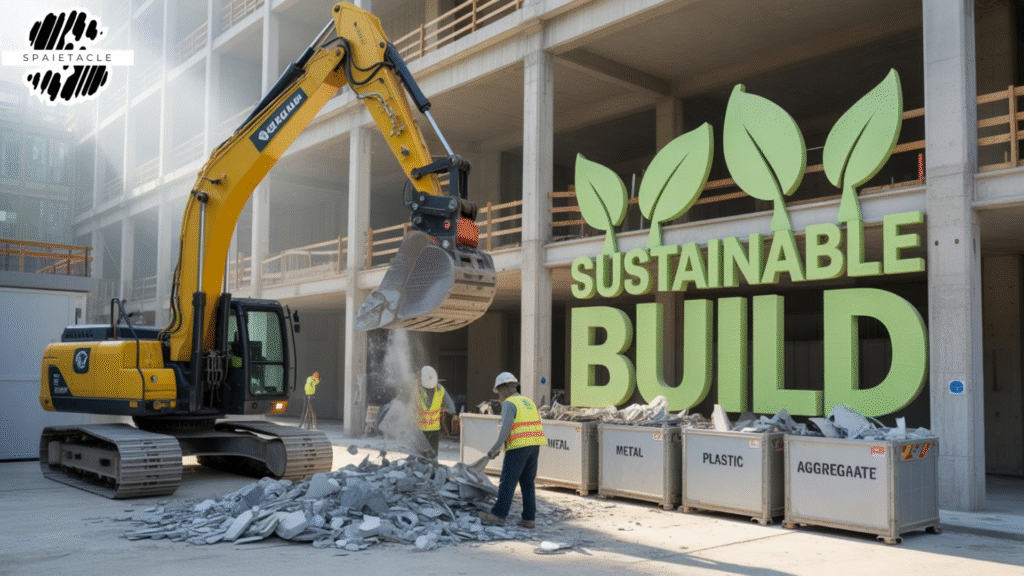
With digital growth comes new risks. Firms must secure certification standards and compliance data and protect sensitive files. The move to online compliance portals has created cyber challenges.
Another issue lies in safety at work. Controlled demolition methods using explosives demolition or hydraulic cutting are risky. Without strong oversight, even a qualified firm can face huge setbacks.
Future Trends Shaping SOA OS23 in 2025 and Beyond
The future of SOA OS23 will focus on green demolition standards and eco-friendly demolition practices. Using low-emission equipment and promoting circular construction practices will soon be a must.
Another trend is digital adoption. From blockchain compliance tracking to predictive maintenance with AI, firms must adapt. The future of SOA OS23 compliance will merge tech, law, and sustainability into one system.
Why SOA OS23 Matters More Than Ever Today
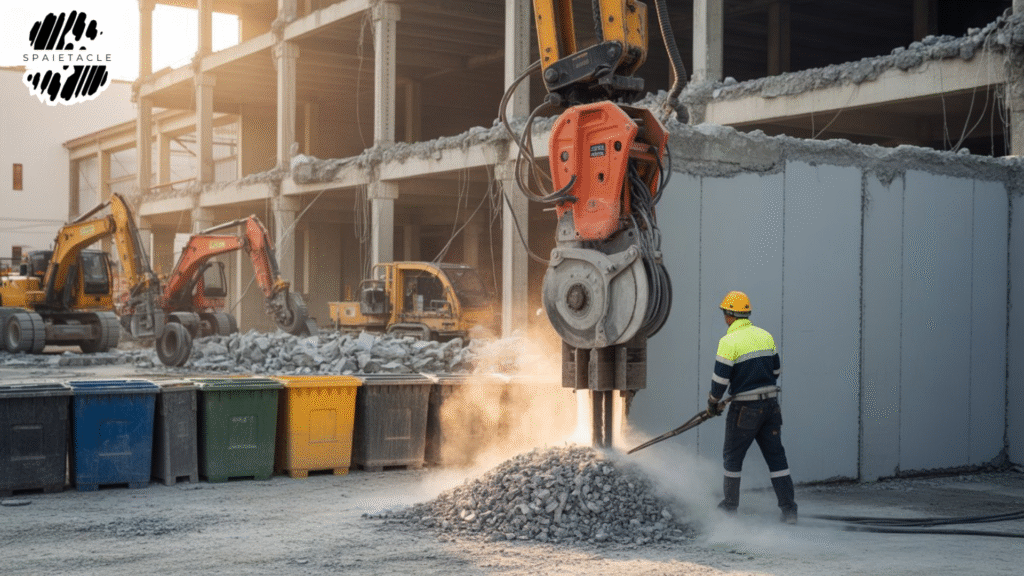
In today’s world, SOA OS23 certification is not only about Italian law. It sets a benchmark for global compliance. For USA firms, learning from OS23 can boost reputation and win overseas projects.
The qualification for demolition of works is more than paperwork. It represents technical capabilities for public works and a promise of safer, greener, and smarter construction. Those who adapt will lead tomorrow’s projects.
Table: Key SOA Certification Categories
| Category | Coverage | Mandatory for Public Works |
| OG1 | Civil and industrial buildings | Yes |
| OG3 | Road and bridge construction | Yes |
| OS21 | Special structural works | Yes |
| OS23 | Demolition of works | No (Optional but valuable) |
FAQs
1. What does SOA stand for?
SOA can stand for different things depending on the context:
- In construction and public works (Italy), SOA stands for Società Organismo di Attestazione. It is an official certification body that qualifies companies to participate in public tenders.
- In technology, SOA means Service-Oriented Architecture, a software design approach where services are provided to other components through a communication protocol.
- In finance and actuarial science, SOA stands for the Society of Actuaries, a leading professional organization for actuaries worldwide.
2. What did SAMCRO mean in SOA?
In the TV series Sons of Anarchy (SOA), SAMCRO stands for Sons of Anarchy Motorcycle Club Redwood Original. It refers to the founding charter of the motorcycle club, based in the fictional town of Charming, California. Fans often use SOA for both the show title and the club.
3. What are the two types of SOA?
This depends on the field:
- In technology/software engineering, the two main types are:
- Service-Oriented Architecture (classic SOA) – modular services communicating via protocols.
- Microservices Architecture – an evolution of SOA, with smaller, independent services that can be deployed separately.
- Service-Oriented Architecture (classic SOA) – modular services communicating via protocols.
- In Italian construction SOA certifications, there are two broad categories:
- OG (General works) – for large-scale projects like roads, bridges, and buildings.
- OS (Specialized works) – for specific tasks such as demolitions, electrical systems, or restorations.
- OG (General works) – for large-scale projects like roads, bridges, and buildings.
4. What is a SOA certification?
A SOA certification can mean different things:
- In Italy’s construction sector, it is an official qualification proving a company has the technical and financial capacity to bid on public works contracts.
- In the actuarial field, SOA certification refers to credentials issued by the Society of Actuaries, such as ASA (Associate of the Society of Actuaries) or FSA (Fellow of the Society of Actuaries).
- In IT, SOA certification usually refers to a credential showing expertise in Service-Oriented Architecture.
5. How much does an SOA exam cost?
For Society of Actuaries (actuarial exams):
- Entry-level exams (like Exam P, Exam FM) usually cost $225–$350 each.
- More advanced exams (later fellowship-level) can cost $500–$1,225 each.
Costs vary depending on the exam level and membership status.
6. What is the highest actuary designation?
The highest designation in the actuarial profession is the Fellowship level:
- FSA (Fellow of the Society of Actuaries) in the U.S. and Canada.
- FIA (Fellow of the Institute and Faculty of Actuaries) in the U.K.
This represents mastery in actuarial science, leadership in risk management, and the ability to specialize in areas such as life insurance, pensions, health, enterprise risk, or investments.